COURSE OVERVIEW
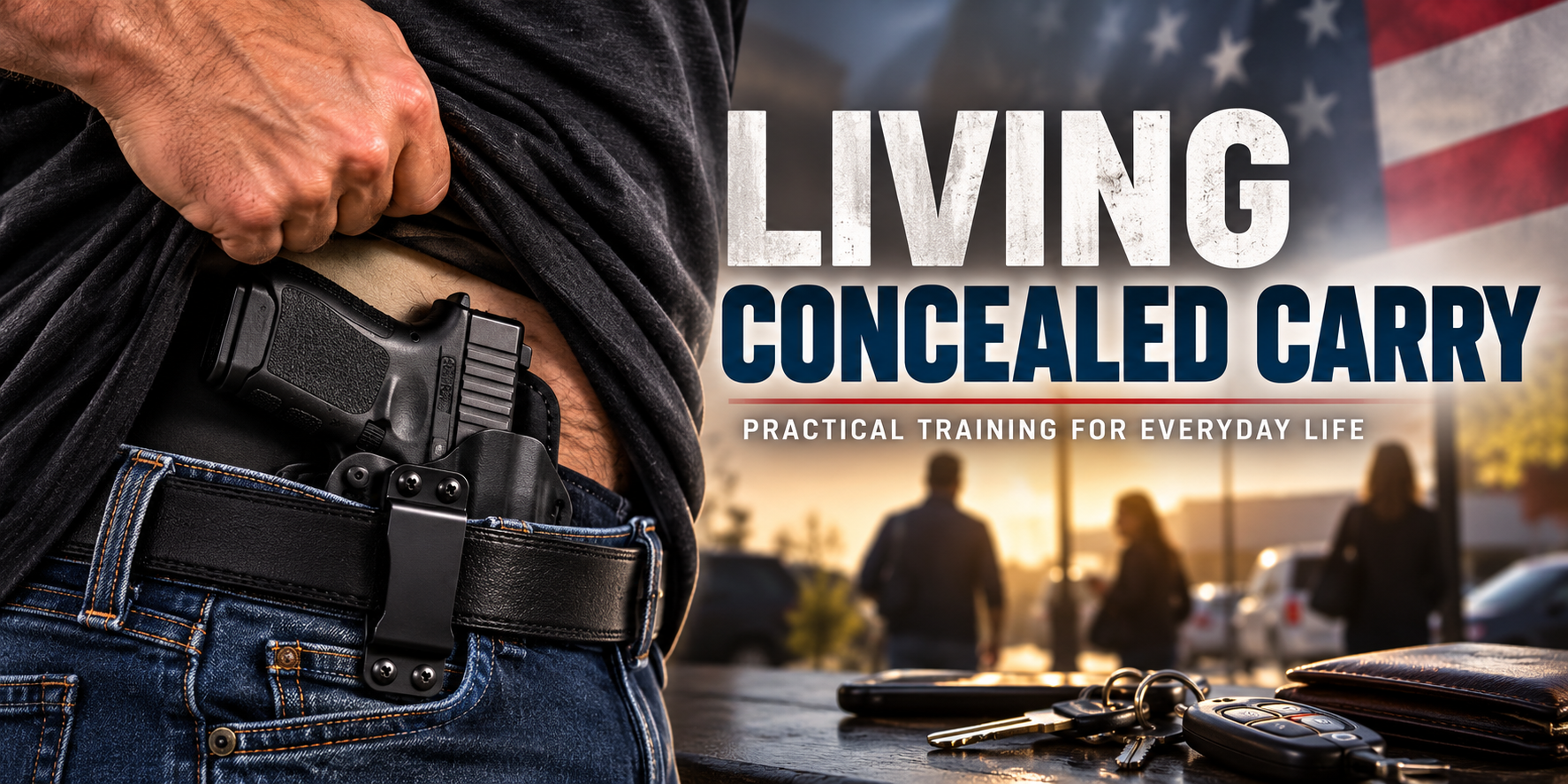
Living Concealed Carry is a two-hour classroom seminar that explores the lifestyle, mindset, planning, and responsibilities involved in being prepared to protect yourself and the people you care about. Students will look beyond equipment and examine awareness, avoidance, realistic planning, legal responsibilities, stress and human performance, emergency preparedness, and continuing education.

LIVING CONCEALED CARRY: MORE THAN CARRYING A GUN
Concealed carry is a lifestyle, not simply an equipment choice. Personal protection begins before an emergency occurs. The firearm is only one component of a larger preparedness system. Responsible preparation includes mindset, planning, judgment, and continued learning.

Mindset, Awareness & Avoidance
Maintain awareness of your environment and developing situations. Gather information early enough to create options. Use distance, avoidance, and de-escalation whenever reasonably possible. The preferred outcome is avoiding a dangerous encounter altogether.

Your Personal Protection Plan
Consider home, vehicle, public spaces, routines, and family needs. Plan communication, emergency contacts, exits, and meeting points. Apply the Plausibility Principle: prioritize realistic and reasonably likely problems. Review and update plans as circumstances change.

LEGAL & PERSONAL RESPONSIBILITIES
Understand applicable laws and jurisdictional differences. Know that carrying and defensive decisions can create serious consequences. Consider legal, financial, social, and emotional aftermath. General education is not a substitute for jurisdiction-specific legal advice.
Equipment & Carry Infrastructure
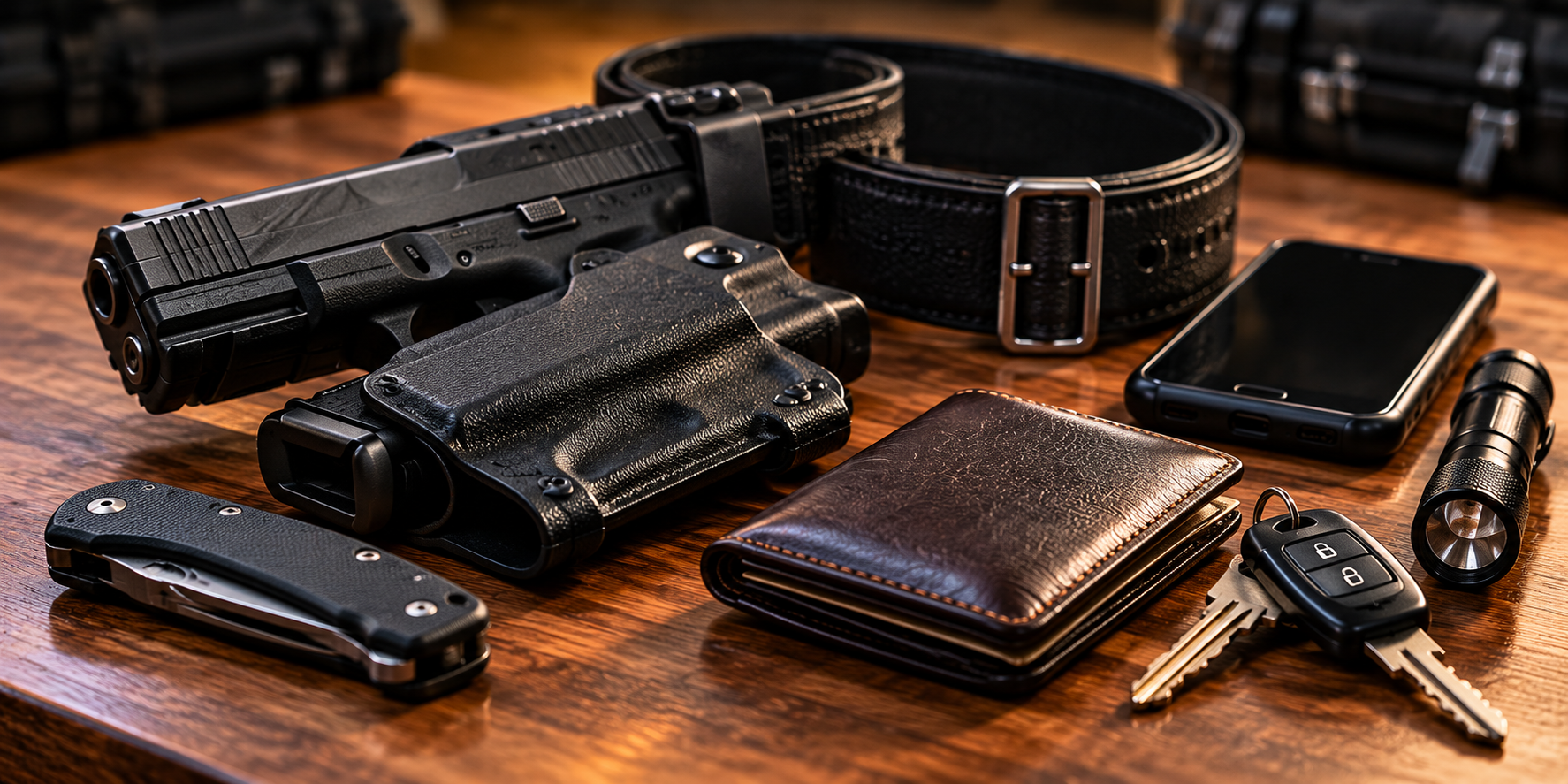
Prioritize reliability, fit, ergonomics, comfort, and concealability. Use secure carry and storage practices. Choose support equipment based on realistic needs. Equipment supports judgment and training—it does not replace them.

Stress, Human Performance & Training
Stress can affect perception, decision-making, and physical performance. Understand the difference between reaction and deliberate response. Repetition and realistic practice can help develop reliable responses. Keep learning and training throughout your personal-protection journey.
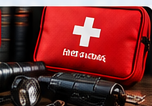
Beyond the Firearm: Complete Preparedness
Personal emergencies are not limited to violent encounters. Consider medical preparedness, illumination, communication, and family planning. Use mental rehearsal and realistic “what if?” planning. Build capabilities that are useful in everyday emergencies.
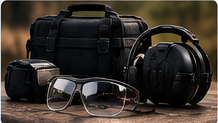
Scenarios & Your Continuing Journey
Apply awareness, avoidance, planning, and judgment to realistic scenarios. Identify gaps in knowledge, planning, equipment, and training. Create a personal action plan for continued improvement. Leave with practical next steps rather than simply more information.